India's national symbols are more than just emblems; they represent the country's rich history, diverse culture, and the core values that bind its people together. From the iconic Tiranga to the majestic Royal Bengal Tiger, these 17 symbols encapsulate the spirit of India.
The Core Pillars of National Identity
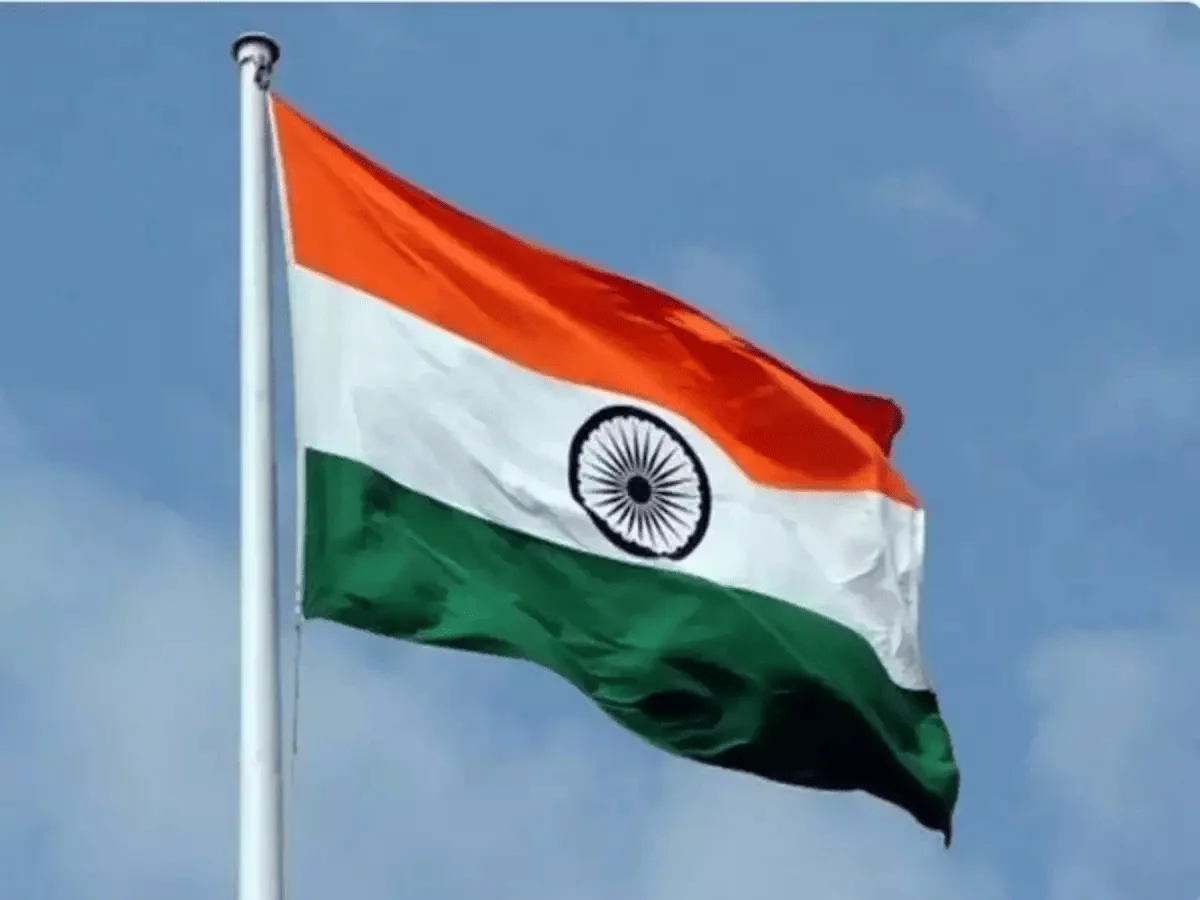
The Indian National Flag, the Tiranga, was designed by Pingali Venkayya and adopted on July 22, 1947. Its saffron band signifies strength and courage, while the white middle band represents peace, truth, and houses the Dharma Chakra—a 24-spoke wheel inspired by the Sarnath Lion Capital, symbolizing continuous progress. The green band reflects India’s fertility and prosperity.
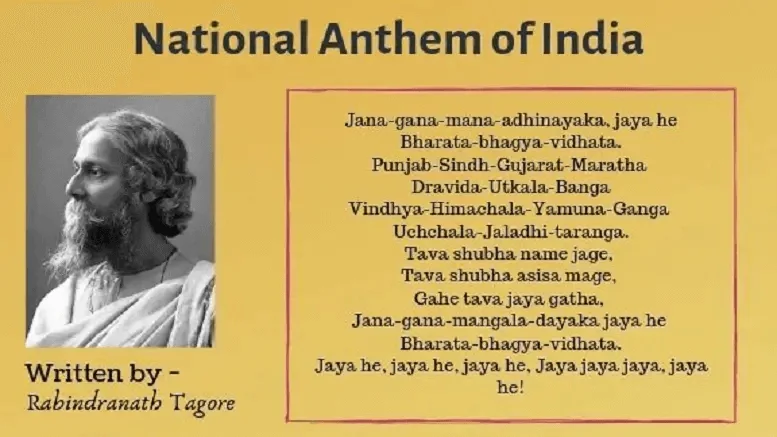
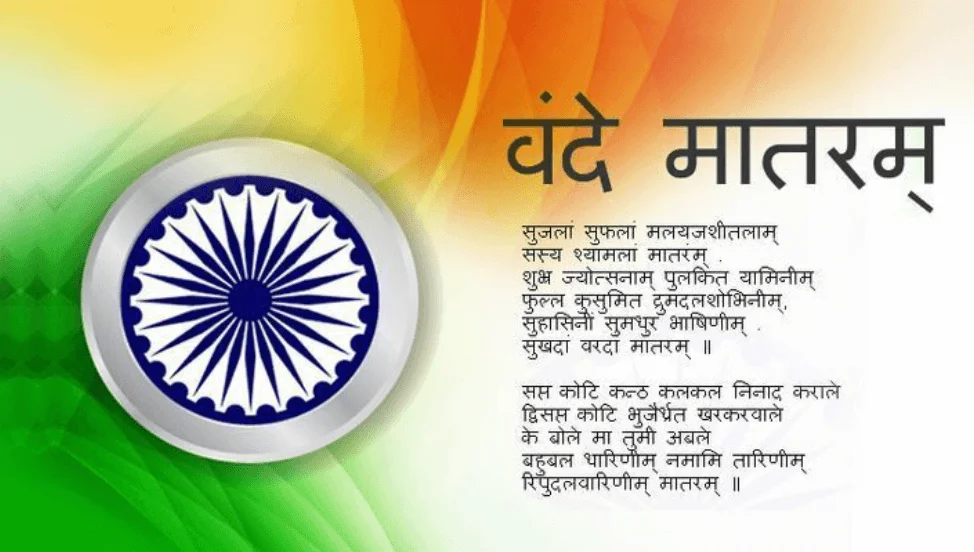
Our National Anthem, Jana-gana-mana, was composed by Rabindranath Tagore. First performed publicly on December 27, 1911, the Hindi version was officially adopted by the Constituent Assembly on January 24, 1950. Alongside it, Vande Mataram, penned by Bankimchandra Chatterji in his novel Anand Math, holds equal status as the national song.
Importance of National Symbols of India
- They exemplify the rich cultural tapestry that forms the core of the Indian nation.
- They instill a profound sense of pride and belonging in the hearts of Indian citizens.
- They represent qualities unique to the Indian spirit and its diverse population.
- They elevate the global recognition and popularity of the symbols themselves.
- They encourage the conservation and preservation of India's natural and cultural heritage for future generations.
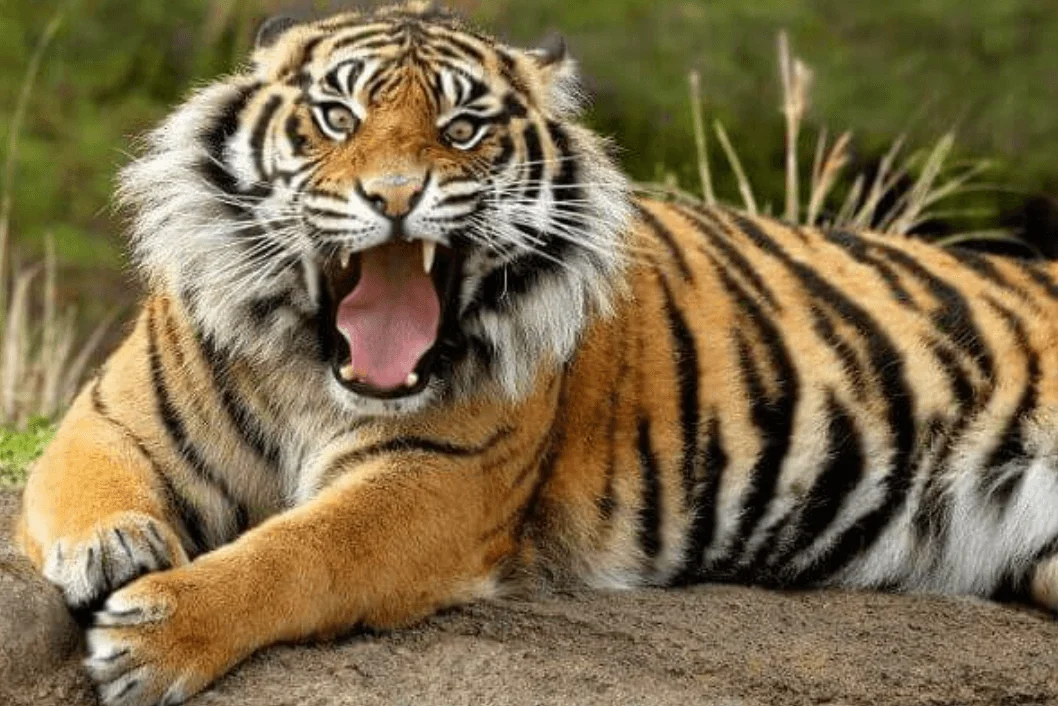 Learn more about the National Animal of India
national animal of india
National tree of India
Learn more about the National Animal of India
national animal of india
National tree of India
Summary of National Symbols
| S. No. | Title | National Symbols |
|---|---|---|
| 1 | National Flag | Tiranga |
| 2 | National Anthem | Jana Gana Mana |
| 3 | National Calendar | Saka calendar |
| 4 | National Song | Vande Mataram |
| 5 | National Emblem | National Emblem of India |
| 6 | National Fruit | Mango |
| 7 | National River | Ganga |
| 8 | National Animal | Royal Bengal Tiger |
| 9 | National Tree | Indian Banyan |
| 10 | National Aquatic Animal | Ganges River Dolphin |
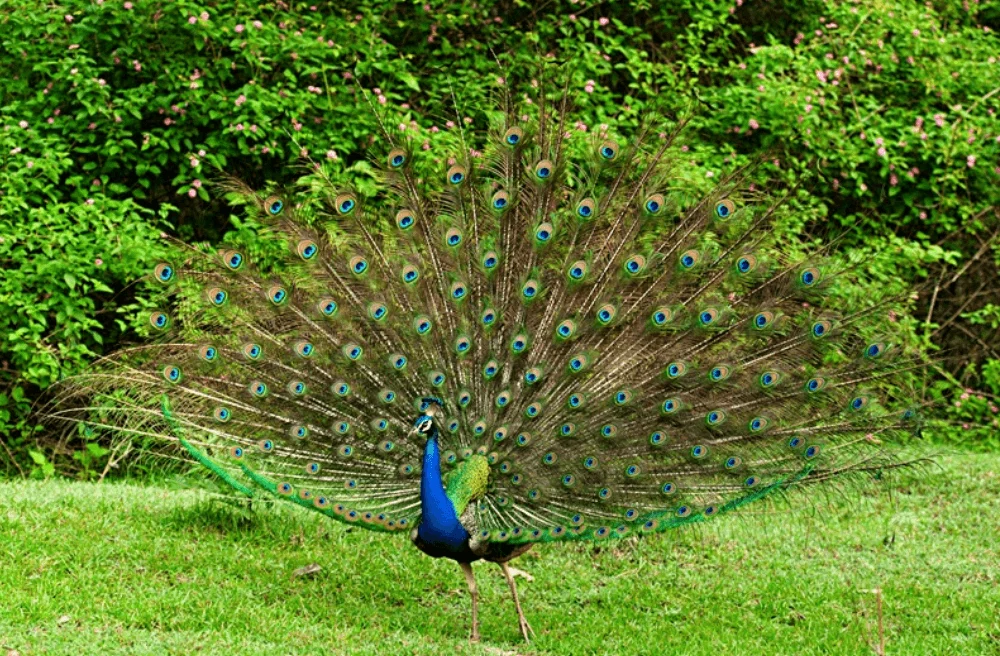
| 11 | National Bird | Indian Peacock |
| 12 | National Currency | Indian Rupee |
| 13 | National Reptile | King Cobra |
| 14 | National Heritage Animal | Indian Elephant |
| 15 | National Flower | Lotus |
| 16 | National Vegetable | Pumpkin |
| 17 | Oath of Allegiance | National Pledge |
The Saka Calendar
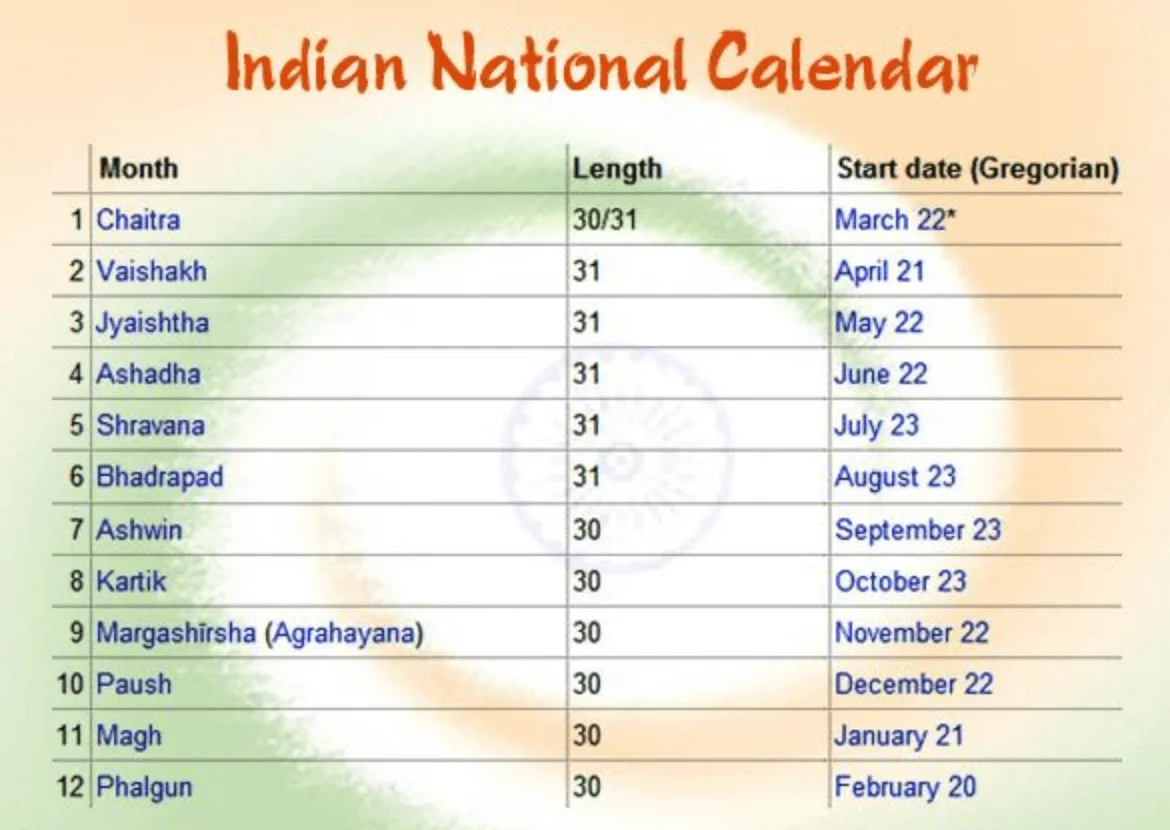
Introduced by the Calendar Reform Committee, the Saka Calendar was adopted on March 22, 1957. It aligns with the solar cycle and is used alongside the Gregorian calendar.
| Months | Dates |
|---|---|
| Chaitra | 21st March - 20th April |
| Vaishakha | 21st April - 21st May |
| Jyeshtha | 22nd May - 21st June |
| Ashadha | 22nd June - 22nd July |
| Shravana | 23rd July - 22nd August |
| Bhadra | 22nd August - 22nd September |
| Became | 23rd September - 22nd October |
| Kartika | 23rd October - 21st November |
| Agrahayana | 22nd November - 21st December |
| Pausha | 22nd December - 20th January |
| Magha | 21st January - 19th February |
| Phalguna | 20th February - 20th/21st March |
Frequently Asked Questions (FAQs)
Important Links & Resources

Recommended Reads
- Headquarters of National and International Organizations: Complete Preparation Guide
- Indian Banyan (Ficus benghalensis): National Tree of India & Its Wonders
- India's Linguistic Landscape: Official Languages & Scheduled Languages
- India's Protected Wilderness: A Complete Guide to National Parks and Wildlife Sanctuaries
- National Animal of India: The Royal Bengal Tiger Facts & History
- Is Field Hockey India's National Game? Fact vs. Fiction Explained
Exam Photo & Signature Resizer (20KB - 50KB)
Resize passport photo & signature to 20-50KB with Name & Date of Photo (DOP) strip or combine them in 1-click.
Never miss another exam update!
Get the fastest exam results, recruitment news, and educational guides delivered directly to your phone.